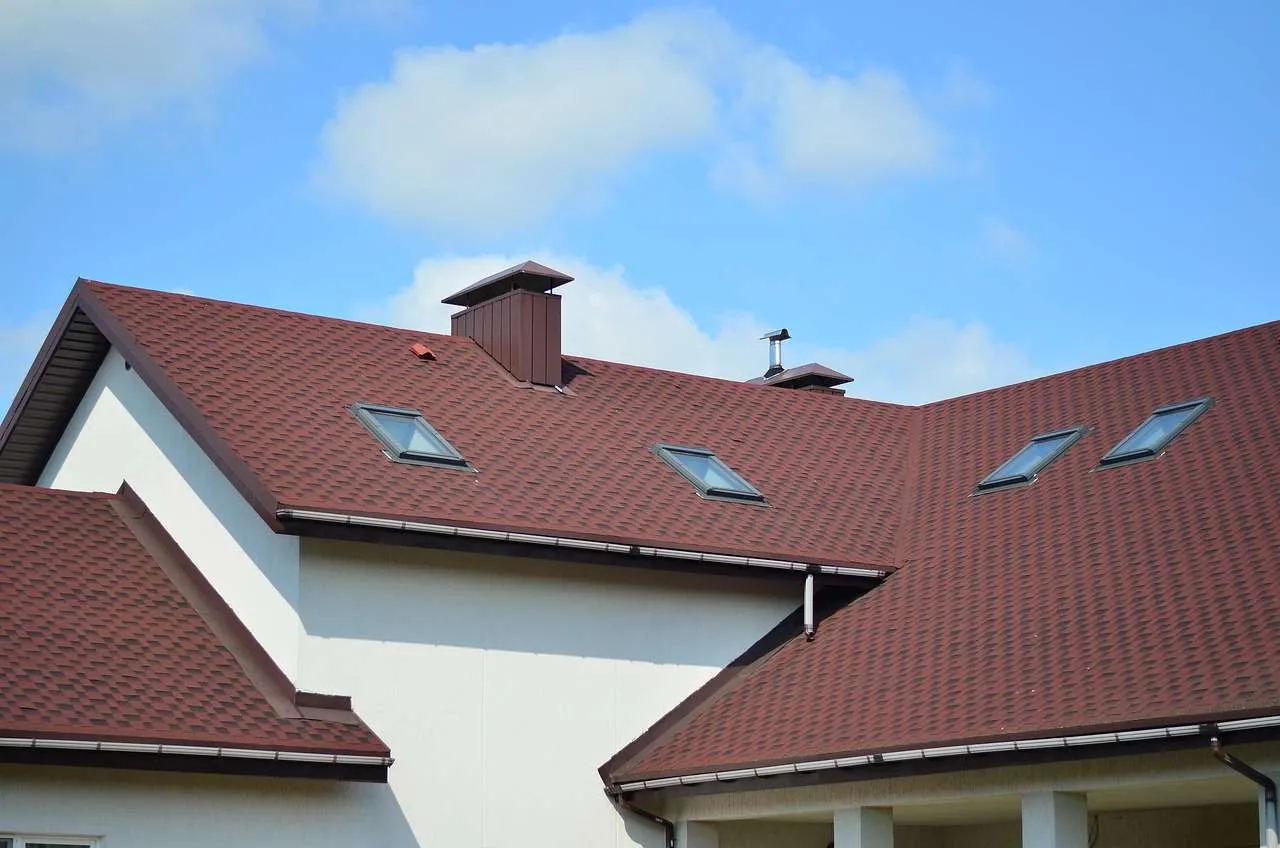
Metal roofing panels are a popular choice for both residential and commercial buildings because of their durability, long life, and versatile aesthetics. When evaluating metal roofing panels, homeowners should consider panel type, material, finish, installation method, and maintenance needs. This guide explains how to choose and care for metal roofing panels to maximize value and performance.
Popular types of metal roofing panels
Metal roofing panels come in several configurations, each with distinct fastening methods and performance characteristics. The most common options are standing seam panels, exposed fastener panels, and hidden fastener panels. Your choice will depend on climate, roof slope, budget, and the desired look.
Standing seam panels
Standing seam panels feature tall interlocking vertical seams that run from ridge to eave. The seam hides fasteners and provides excellent water shedding, which reduces the risk of leaks. They are especially popular on low and medium pitch roofs and in areas with high wind or hail exposure. Materials most often used include steel and aluminum, with protective coatings that enhance corrosion resistance. The installation requires skilled workmanship, and the initial cost is higher, but the long service life can justify the investment.
Exposed fastener panels
Exposed fastener panels use visible screws or rivets to secure panels to the roof deck. They are generally more budget friendly and quicker to install than standing seam systems. They perform well in dry climates and on steeper slopes but may require more periodic maintenance to address fastener sealants and potential corrosion around penetrations. Materials include steel and aluminum, with various coatings to resist corrosion and color fading.
Hidden fastener panels
Hidden fastener panels use clips or intersecting rails to secure panels without visible screws. This arrangement reduces the risk of weather intrusion and creates a clean, modern look. They can be a good compromise between cost and appearance, though they demand precise roof preparation and higher-quality substrates to prevent panel movement or leaks.
Materials and performance
Metal roofing panels are available in steel, aluminum, and less common alloys such as copper or zinc. Steel offers outstanding strength and lower initial cost, often with a zinc or polymer coating for corrosion resistance. Aluminum is lighter and excels in coastal environments with salt spray, though it can be more expensive. Copper and zinc panels provide unique aesthetics and exceptional longevity but require specialized installation and higher upfront costs. All major metals used for roofing panels can deliver long service life when properly installed and maintained.
Durability, fire resistance, and warranties
Durability is a core advantage of metal roofing panels. They resist wind uplift, hail impact, and fire when rated materials and coatings are chosen. Warranties typically cover finish, color fade, and perforation or corrosion for 25 to 50 years, depending on material and manufacturer. Regular inspections and manufacturer guidelines are essential to preserve coverage and performance over time.
Energy efficiency and sustainability
Metal roofing panels can contribute to energy savings through reflective finishes and cool roof coatings. Light colors reflect solar heat, reducing cooling loads in hot climates. In many regions, metal roofs also support solar installations and may improve resale value. Choose finishes with high solar reflectance and infrared emissivity to optimize energy efficiency.
Cost considerations and value
Installing metal roofing panels involves higher upfront costs than traditional asphalt shingles, but the long service life and low maintenance can yield a favorable life cycle cost. Typical installed costs vary by panel type, material, and region. Standing seam steel tends to be the premium option with costs ranging higher per square foot, whereas exposed fastener panels offer a lower entry price. Expect installed ranges roughly from a few dollars per square foot for basic exposed fastener steel to more for premium standing seam systems. Always obtain multiple bids and verify that bids include substrate preparation, underlayment, and coatings, as well as waste disposal and cleanup.
Maintenance and installation considerations
Regular maintenance extends performance. Schedule annual or semiannual inspections to check fasteners, seals, coatings, and flashing. Clean gutters and remove debris to prevent moisture retention near seams. For coastal or industrial environments, wash surfaces periodically to remove salt or pollutants. Ensure a licensed, experienced contractor handles installation, as proper seam alignment, panel alignment, and adequate ventilation are critical to water tightness and warranty compliance.
Comparison of metal roofing panels
| Panel Type | Fastening System | Common Materials | Pros | Cons |
|---|---|---|---|---|
| Standing seam | Hidden seam | Steel, aluminum | Excellent water shedding; high durability | Higher cost; requires skilled installation |
| Exposed fastener | Visible screws | Steel, aluminum | Lower cost; easier replacement | Sealant maintenance; potential leaks at penetrations |
| Hidden fastener | Hidden clips | Steel, aluminum | Clean look; reduced weather intrusion | Substrate precision required |
When selecting metal roofing panels, work with a contractor who can interpret local climate, wind speeds, and roof slope to recommend an appropriate system. Request a written warranty for both finish and performance and verify the panel profile aligns with existing structures or future architectural goals. Thoughtful material selection, precise installation, and regular maintenance deliver the best EEAT aligned outcomes for metal roofing panels.
Conclusion, metal roofing panels provide long lasting protection, energy efficiency, and a versatile aesthetic for many buildings. By understanding types, materials, costs, and care requirements, homeowners can make informed decisions and invest in a roof that stands the test of time.