Choosing the right bathroom tile goes beyond aesthetics. It affects durability, maintenance, and the overall feel of your space. This guide covers popular tile types, design considerations, installation basics, and care tips to help homeowners and designers achieve a lasting, water-resistant bathroom.
Bathroom Tile: Types and Characteristics
Ceramic Tile
Ceramic tile is budget-friendly, easy to cut, and available in countless colors and patterns. It is typically less dense than porcelain and may be more susceptible to chipping in high-traffic areas, but works well for shower surrounds and walls when properly installed with a quality grout.
Porcelain Tile
Porcelain is a dense, water-resistant option ideal for floors and wet areas. It offers excellent durability and low water absorption, making it suitable for bathrooms with heavy use. Large-format porcelain can create a seamless look with fewer grout lines.
Natural Stone Tile
Natural stone like marble, travertine, or slate brings luxury and unique veining. Stone requires regular sealing and more maintenance to prevent staining and water damage. It’s best used in low-moisture zones or with sealed, polished finishes.
Glass and Mosaic Tiles
Glass tiles add reflected light and a contemporary vibe. Mosaic sheets provide texture and pattern but may require more meticulous installation and maintenance to avoid grout haze and lippage.
Design Considerations: Size, Pattern, and Grout
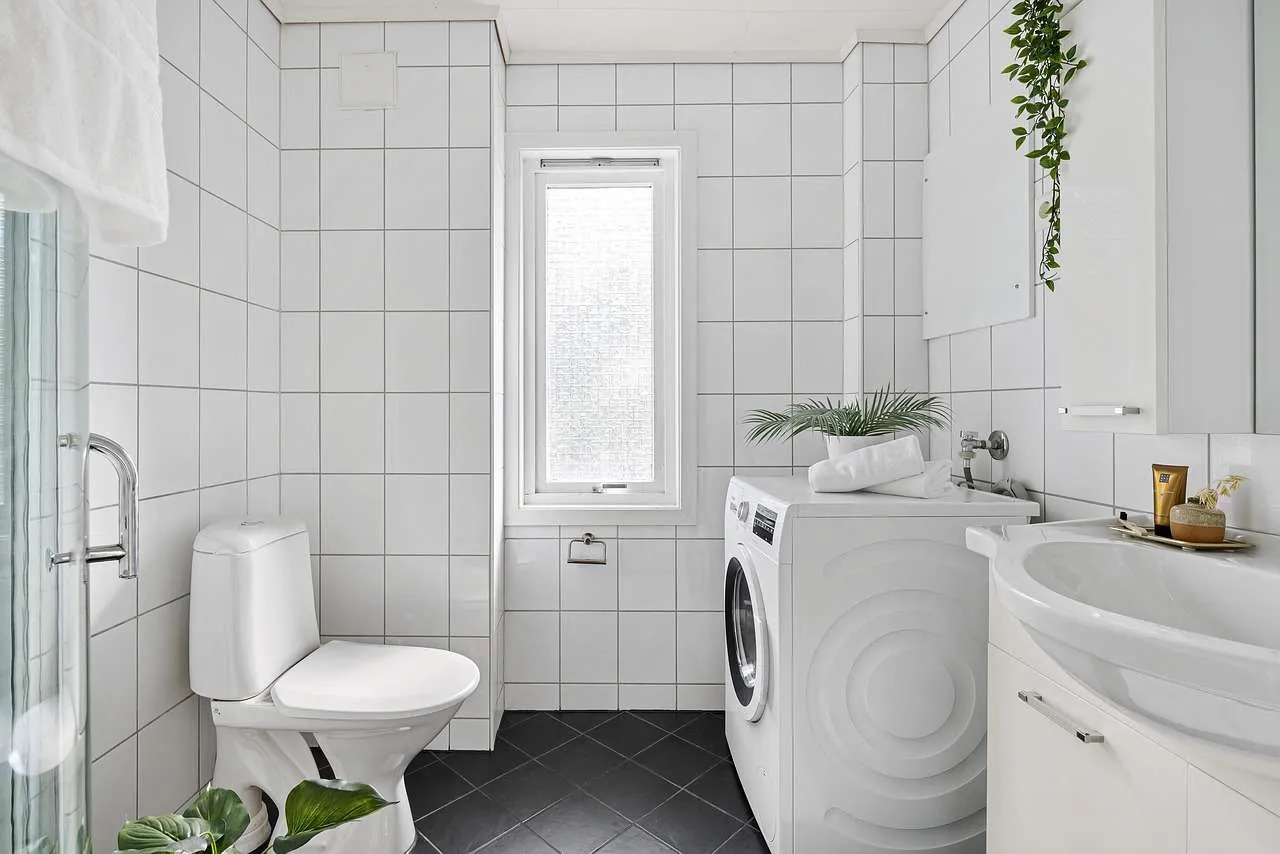
Tile size influences perception of space. Small bathrooms benefit from large-format tiles with minimal grout, while detailed patterns work well as accent walls. Grout color should harmonize with the tile and be sealed to prevent staining; epoxy grouts offer superior stain resistance in wet areas.
Installation Basics and Preparation
Proper substrate preparation, waterproofing, and a level layout are crucial. For DIY enthusiasts, start with a moisture-resistant backer board, thinset mortar, and a quality grout. Large or complex showers are best left to licensed pros who can ensure proper drainage and waterproofing to EEAT standards.
Maintenance: Cleaning, Sealing, and Longevity
Regular cleaning extends tile life. Porcelain and ceramic typically require mild cleaners and non-abrasive sponges. Natural stone needs periodic sealing and pH-balanced cleaners to maintain finish. Seal grout if you want extra protection against stains; re-seal high-traffic areas every 6-12 months depending on wear.
| Tile Type | Durability | Maintenance | Waterproofing | Typical Cost / sq ft |
|---|---|---|---|---|
| Ceramic | Moderate | Low to moderate | Good when glazed | $1–$6 |
| Porcelain | High | Low | Excellent | $2–$12 |
| Natural Stone | High (with sealing) | High | Variable | $5–$25 |
| Glass/Mosaic | Moderate | Moderate | Excellent | $6–$25 |
Cost Considerations and ROI
Beyond material costs, consider maintaining, sealing, and professional installation fees. Porcelain and large-format tiles can reduce labor time and grout lines, potentially increasing resale value. When planning, request quotes that include waterproofing, surface prep, and substrate repair if needed.
Choosing a Tile That Fits Your Space
Match tile with room function and lighting. Lighter tones brighten small baths, while darker hues can hide imperfections in larger spaces. Backed by proper installation and routine care, bathroom tile should stay beautiful for years.
Conclusion, choosing bathroom tile means balancing aesthetics, durability, and maintenance. With proper layout, grout choices, and professional waterproofing, your bathroom tile will stay beautiful for years.